
分类: Blog

  • How to Select Office Chairs for Different Workplace Areas

    How to Select Office Chairs for Different Workplace Areas

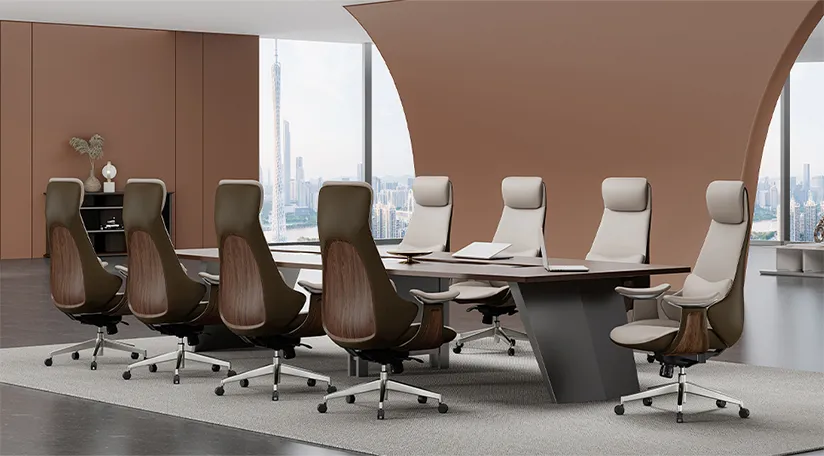
    Different workplace areas require different types of office seating. A chair designed for an executive office may not be suitable for a meeting room, staff workstation or reception area. For office furniture dealers and project buyers, matching chairs to their intended applications can improve comfort, functionality and visual consistency.

    Executive offices often require chairs with a strong professional appearance. High-back executive chairs are commonly selected for senior management workspaces, while matching mid-back chairs may be used for other management positions. Upholstered seats, coordinated armrests and suitable reclining functions can support both appearance and daily use.

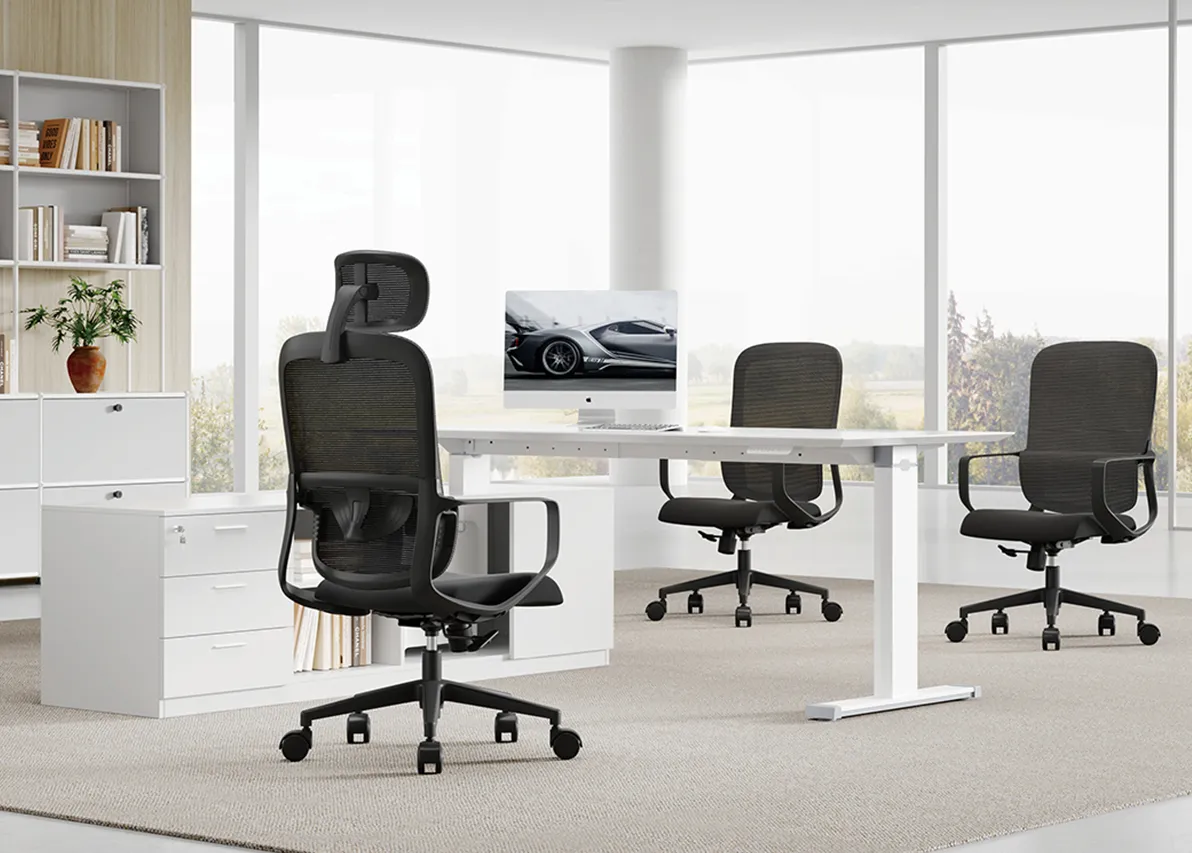
    Staff workspaces usually need practical seating for regular office tasks. Mesh office chairs are a common option because they provide ventilation and a lighter visual style. Buyers should consider seat comfort, back support, height adjustment, armrest options and the functions of the mechanism.

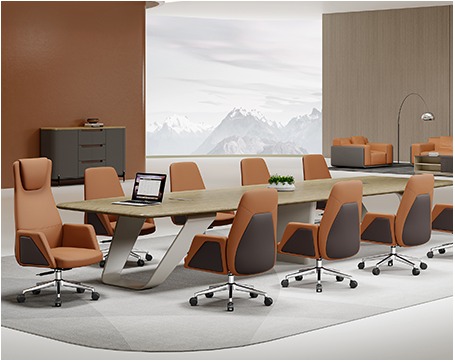
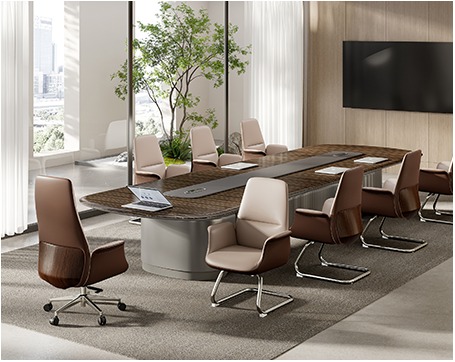
    Meeting and conference rooms require chairs that support shorter periods of focused use. The chair should fit the size of the table and leave enough space for movement. Depending on the room design, buyers may choose swivel chairs, fixed chairs or compact mid-back models.

    Visitor and reception areas often need seating that is easy to arrange and visually coordinated with the surrounding workplace. Visitor chairs may use fixed legs, sled bases or other structures, depending on the model. Comfort remains important, but compact size and straightforward use may be higher priorities than multiple adjustment functions.

    Discussion and collaborative areas may use lighter chairs that can be repositioned easily. The selected seating should support informal meetings without making the space feel crowded. Consistent colors and materials can connect these areas with the rest of the office.

    A coordinated chair series can simplify project purchasing. Some office chair collections include high-back, mid-back, meeting and visitor versions with related design elements. Using products from the same series can create a consistent appearance across multiple workplace areas.

    Product dimensions and configurations should be reviewed before ordering. Buyers should check whether the chair fits the desk height, meeting table, room layout and intended user group. Armrest height can be particularly important when chairs need to fit under desks or conference tables.

    Materials should also match the working environment. Mesh can support airflow, while upholstered surfaces may create a more formal appearance. Chair bases, casters and mechanisms should be selected according to the required functions and floor conditions.

    For large office projects, buyers should prepare a seating schedule that lists each area, chair type, model, quantity, color and configuration. This makes quotation, production and delivery coordination more accurate.

    Successful office seating selection is based on more than appearance. Each chair should match the user, workspace, usage duration and project requirements. By planning seating by area and coordinating products across the workplace, buyers can create a more practical and consistent office environment.
  • How Office Chair Packaging and CBM Affect Wholesale Purchasing Costs

    How Office Chair Packaging and CBM Affect Wholesale Purchasing Costs

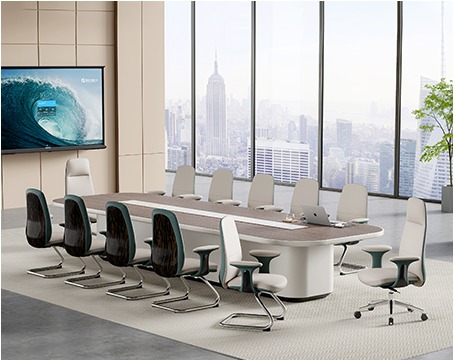
    Product price is only one part of the total cost of importing office chairs. Packaging size, gross weight, packing quantity and CBM can significantly affect freight costs, container utilization and warehouse planning. For wholesalers and distributors, reviewing packaging data before placing an order is essential.

    CBM means cubic meter and is used to measure the volume occupied by packaged goods. It is calculated by multiplying the carton length, width and height in meters. For example, a carton measuring 0.90 × 0.65 × 0.40 meters occupies approximately 0.234 CBM.

    Office chairs are relatively bulky products, so small differences in carton size can create noticeable differences across a container shipment. A chair with compact packaging may allow more units to be loaded, while a larger carton may increase the shipping cost per chair. Buyers should compare products using both unit price and packed volume.

    Packing quantity is another important factor. Some office chairs are packed one chair per carton, while other models may use different packing arrangements. Buyers should confirm the exact quantity because the number of pieces per carton affects handling, storage and order calculations.

    Gross weight and net weight should also be reviewed. Net weight refers to the chair itself, while gross weight includes the chair and its packaging. Accurate weight information helps buyers estimate transportation requirements and comply with freight documentation.

    Good packaging must balance space efficiency with product protection. Reducing carton size too aggressively can increase the risk of scratches, deformation or component damage. Suitable protection may include separated components, protective bags, foam, cardboard inserts and secure internal positioning.

    E-commerce buyers have additional packaging concerns because products may be delivered individually through courier networks. Packaging should be designed to handle repeated movement and different delivery conditions. Clear assembly instructions and organized hardware can also improve the customer experience after delivery.

    Wholesale buyers should request complete packaging information for every office chair model:

    Carton dimensions

    Packing quantity

    Gross weight

    Net weight

    CBM per carton

    Assembly requirements

    This information makes it easier to estimate freight costs, compare models and plan mixed-container orders. It is also useful when coordinating with freight forwarders and warehouse teams.

    Mixed loading can help buyers create a more balanced product range, but it requires accurate data. Executive chairs, mesh office chairs, meeting chairs and visitor chairs may use different carton sizes. The supplier should provide packing details before the buyer confirms the final loading plan.

    Customized packaging may include printed cartons, product labels, instruction manuals and brand information. These details should be approved together with the product specifications.

    For international office chair purchasing, efficient packaging is not simply a logistics detail. It directly affects landed cost, product protection and delivery performance. Buyers who evaluate CBM and packaging early can make better product decisions and manage wholesale orders more effectively.

  • Office Chair OEM and ODM: A Practical Guide for Global Buyers

    Office Chair OEM and ODM: A Practical Guide for Global Buyers

    OEM and ODM services allow office furniture buyers to adapt products to their brands, sales channels and target markets. These services are commonly used by wholesalers, distributors, office furniture brands, project buyers and e-commerce sellers. Understanding the customization process can help buyers manage product development more efficiently.

    OEM office chair manufacturing usually begins with an existing chair model. The buyer selects a product and requests changes to available elements such as colors, upholstery, armrests, mechanisms, gas lifts, chair bases, casters, logos or packaging. This approach is suitable for buyers who want to launch products more efficiently while maintaining a recognizable brand identity.

    ODM development may involve broader changes to the product concept, appearance, functions or component combination. The process generally requires more communication and technical evaluation. Buyers should provide clear information about the target market, intended users, preferred style, required functions and expected order quantity.

    The first stage is requirement discussion. Buyers should identify the chair category they need, such as executive chairs, mesh office chairs, meeting chairs or visitor chairs. Reference images, target prices and market positioning can help the manufacturer recommend suitable models and configurations.

    The next stage is product and configuration selection. Office chairs contain multiple components, and each component affects appearance, comfort, function and cost. Buyers should confirm the upholstery, foam, armrests, mechanism, gas lift, base and casters. Compatibility must also be checked because not every option fits every chair structure.

    Color and upholstery confirmation is especially important for branded collections. Colors may appear different across mesh, leather, plastic and metal surfaces. Physical samples or approved color references can reduce inconsistencies. Buyers should also confirm whether the selected upholstery is suitable for the target market and intended application.

    Branding and packaging are normally confirmed before production. Customization may include product logos, labels, instruction manuals and printed cartons. Packaging specifications should cover carton dimensions, packing quantity, gross weight, net weight and CBM. These details are essential for shipping cost calculations and container planning.

    When sample development is required, the sample should be evaluated carefully. Buyers should inspect the overall appearance, dimensions, comfort, adjustment functions, component quality and packaging. Any changes must be documented before the sample is approved.

    Bulk production should follow the confirmed sample and written specifications. Quality inspection can include materials, assembly, chair functions, appearance and packaging. Product certificates or test reports should be matched to the applicable model rather than treated as general factory claims.

    Successful OEM and ODM cooperation depends on clear requirements and documented confirmation. Buyers who define their market, products, configurations and packaging early can reduce revisions and improve production efficiency. A structured process also helps both parties build a more stable long-term supply relationship.

  • Executive Chairs vs. Mesh Office Chairs: Which Is Right for Your Market?

    Executive Chairs vs. Mesh Office Chairs: Which Is Right for Your Market?

    Executive chairs and mesh office chairs are two of the most common categories in the global office furniture market. Although both are designed for workplace seating, they serve different users, environments and market positions. Understanding their differences can help wholesalers, distributors and project buyers build a more suitable office chair collection.

    Executive chairs are commonly used in management offices, private offices and formal meeting spaces. They often feature high-back designs, padded seats, upholstered armrests and a stronger visual presence. Depending on the model, upholstery may include leather, synthetic leather or fabric.

    The appearance of an executive chair is an important purchasing consideration. Buyers serving corporate offices and premium furniture markets may prefer refined upholstery, coordinated colors and metal chair bases. High-back and mid-back models from the same series can also help create a consistent appearance across management offices, meeting rooms and visitor areas.

    Mesh office chairs are widely used in staff workspaces, open-plan offices and home offices. Mesh backrests provide airflow and create a lighter, more contemporary appearance. These chairs are often selected for daily office use, especially in warm climates or workplaces where employees sit for extended periods.

    Functionality varies by model. Mesh office chairs may include adjustable armrests, reclining mechanisms, seat height adjustment and different chair bases. Buyers should review the exact configuration rather than assuming that all mesh chairs provide the same functions.

    The target market should guide product selection. Executive chairs may be more suitable for buyers targeting corporate management spaces, premium office furniture stores or formal project environments. Mesh office chairs may appeal to businesses seeking practical seating for staff workstations, shared offices or cost-conscious purchasing programs.

    Packaging and transportation also affect the final decision. Upholstered executive chairs may have larger carton sizes or higher gross weights, while some mesh office chairs can be packed more compactly. Importers should compare carton dimensions, CBM and container utilization before confirming a bulk order.

    For project buyers, the best solution is often a coordinated office chair series rather than a single model. A series may include a high-back executive chair, a mid-back office chair and matching meeting or visitor chairs. This allows different areas of the workplace to maintain a consistent design language.

    Customization can further adapt both categories to local market needs. Buyers may select colors, upholstery, armrests, mechanisms, gas lifts, bases, casters, logos and packaging where available. All options should be confirmed for the specific chair model before ordering.

    There is no single category that works for every market. Executive chairs focus more on appearance, presence and management use, while mesh office chairs emphasize ventilation, practical functions and everyday workplace applications. A balanced product range can help office furniture buyers serve more customers and cover a wider range of purchasing requirements.

  • How to Choose a Reliable Office Chair Manufacturer in China

    How to Choose a Reliable Office Chair Manufacturer in China

    Choosing the right office chair manufacturer is an important decision for furniture brands, wholesalers, distributors, e-commerce sellers and project buyers. A reliable supplier should provide more than competitive prices. Product quality, manufacturing capability, customization options, packaging and communication all affect the success of a long-term purchasing partnership.

    The first step is to review the manufacturer’s product range. A professional office chair supplier should offer products for different workplace needs, such as executive chairs, mesh office chairs, meeting chairs and visitor chairs. A broad product range allows buyers to build coordinated collections and serve customers across different market segments.

    Product specifications should also be clear. Before requesting a quotation, check whether the supplier can provide information about upholstery, foam, armrests, mechanisms, gas lifts, chair bases, casters and packaging. These details help buyers compare different office chair models accurately and avoid misunderstandings during production.

    Customization capability is another important factor. Many overseas buyers need office chairs that match their brand positioning or local market preferences. Common OEM and ODM options include colors, mesh, leather, upholstery, components, logos, labels, instruction manuals and carton packaging. Buyers should confirm which options are available for each model because not every component can be used with every chair.

    Samples are useful when evaluating comfort, appearance, functions and workmanship. Before approving bulk production, check the chair’s backrest support, seat comfort, adjustment functions and overall stability. The sample should also be compared with the confirmed specifications to ensure that the selected materials and components are correct.

    Packaging is especially important for international office chair purchasing. Ask the supplier for the carton size, gross weight, net weight, packing quantity and CBM of each model. Smaller packaging volume may help improve container utilization and reduce shipping costs. E-commerce buyers should also consider whether the packaging can protect the chair during individual delivery.

    Quality inspection should cover incoming materials, production processes, chair functions, finished products and packaging. Buyers can request product photos, inspection records or video calls before shipment when appropriate. Product certificates and test reports should only be accepted when they clearly identify the applicable chair model.

    Communication efficiency is equally important. A dependable manufacturer should respond clearly, confirm specifications in writing and identify any limitations before production begins. This reduces errors involving colors, components, quantities, packaging and delivery arrangements.

    Finally, compare suppliers based on overall value instead of price alone. A slightly lower price may not compensate for inconsistent quality, unclear specifications or poor after-sales support. The best office chair manufacturer is one that understands your market, provides suitable product options and supports stable long-term supply.