
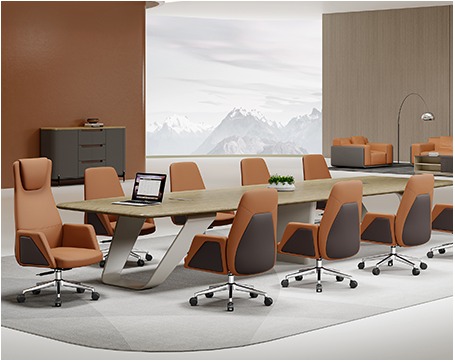
Different workplace areas require different types of office seating. A chair designed for an executive office may not be suitable for a meeting room, staff workstation or reception area. For office furniture dealers and project buyers, matching chairs to their intended applications can improve comfort, functionality and visual consistency.
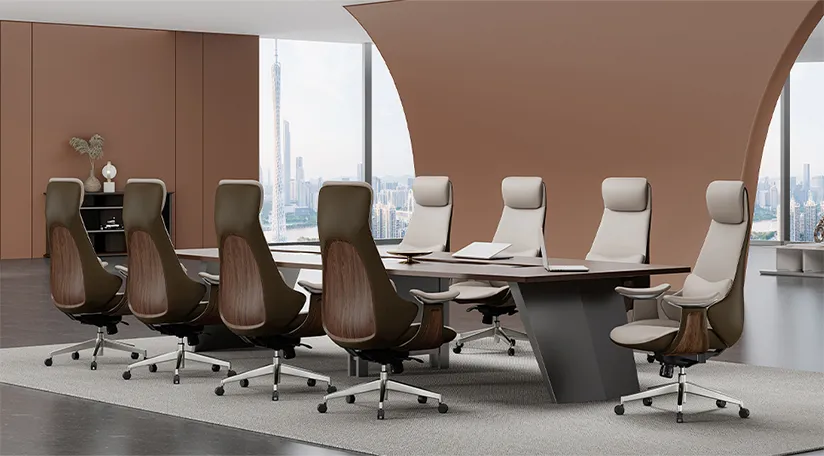
Executive offices often require chairs with a strong professional appearance. High-back executive chairs are commonly selected for senior management workspaces, while matching mid-back chairs may be used for other management positions. Upholstered seats, coordinated armrests and suitable reclining functions can support both appearance and daily use.
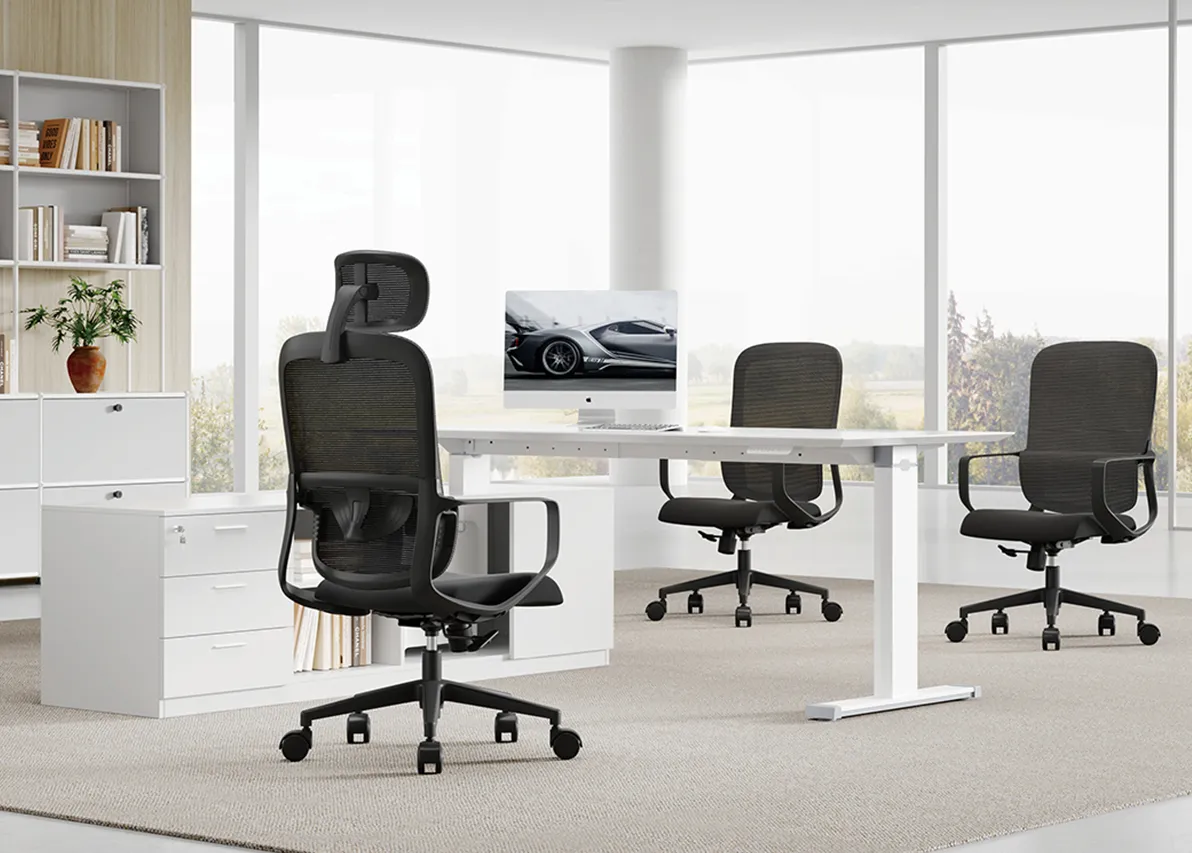
Staff workspaces usually need practical seating for regular office tasks. Mesh office chairs are a common option because they provide ventilation and a lighter visual style. Buyers should consider seat comfort, back support, height adjustment, armrest options and the functions of the mechanism.
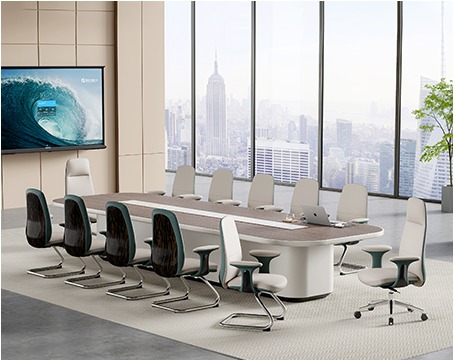
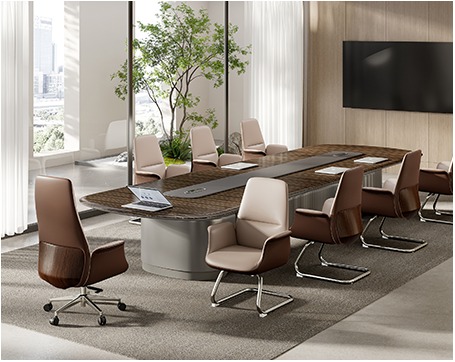
Meeting and conference rooms require chairs that support shorter periods of focused use. The chair should fit the size of the table and leave enough space for movement. Depending on the room design, buyers may choose swivel chairs, fixed chairs or compact mid-back models.
Visitor and reception areas often need seating that is easy to arrange and visually coordinated with the surrounding workplace. Visitor chairs may use fixed legs, sled bases or other structures, depending on the model. Comfort remains important, but compact size and straightforward use may be higher priorities than multiple adjustment functions.
Discussion and collaborative areas may use lighter chairs that can be repositioned easily. The selected seating should support informal meetings without making the space feel crowded. Consistent colors and materials can connect these areas with the rest of the office.
A coordinated chair series can simplify project purchasing. Some office chair collections include high-back, mid-back, meeting and visitor versions with related design elements. Using products from the same series can create a consistent appearance across multiple workplace areas.
Product dimensions and configurations should be reviewed before ordering. Buyers should check whether the chair fits the desk height, meeting table, room layout and intended user group. Armrest height can be particularly important when chairs need to fit under desks or conference tables.
Materials should also match the working environment. Mesh can support airflow, while upholstered surfaces may create a more formal appearance. Chair bases, casters and mechanisms should be selected according to the required functions and floor conditions.
For large office projects, buyers should prepare a seating schedule that lists each area, chair type, model, quantity, color and configuration. This makes quotation, production and delivery coordination more accurate.
Successful office seating selection is based on more than appearance. Each chair should match the user, workspace, usage duration and project requirements. By planning seating by area and coordinating products across the workplace, buyers can create a more practical and consistent office environment.